

Bulk SMS for Banks and NBFCs: OTPs, Alerts and Rules
Bulk SMS for Banks and NBFCs: OTPs, Alerts and Rules
Short answer: Banks and NBFCs use SMS for one-time passwords, transaction and balance alerts, EMI and due-date reminders and short service updates. Each needs a DLT-registered header and template, masked account details, no requests for PINs or OTPs, and a fallback such as WhatsApp or a voice call when a message is not delivered.
Few sectors depend on SMS as much as banking and lending. A login code, a debit alert or an EMI reminder is useful only if it arrives quickly and the customer trusts it.
That trust is fragile, because fraudsters imitate bank messages. Good practice therefore covers two things: delivering the message reliably, and making it recognisable and safe.
In banking messages, trust is part of the product.

This guide lists common bank and NBFC messages, the registration steps behind them and the habits that reduce risk. It is general guidance; follow your regulator's rules and your compliance team's policies.
Common messages and which category they use
OTPs and transaction alerts are transactional. Loan status updates and EMI due reminders are typically service messages. Offers on new products are promotional and need the customer's consent and DND check. Keep each on the right header and template.
Registration before the first message
Register the entity, the sender headers and every template on the DLT platform. Templates should be specific: for example one for login OTPs, one for payment confirmations and one for EMI reminders, each with variables for the changing parts.
Want to see this working for your own business before you read further?
Keep messages safe and recognisable
Use the same sender name every time so customers learn to trust it. Show only masked account details. Never ask a customer to reply with a PIN, password or OTP, and say in OTP messages that the code should not be shared. For payments, link to a page you control rather than asking for details in a reply.
Delivery, fallback and records
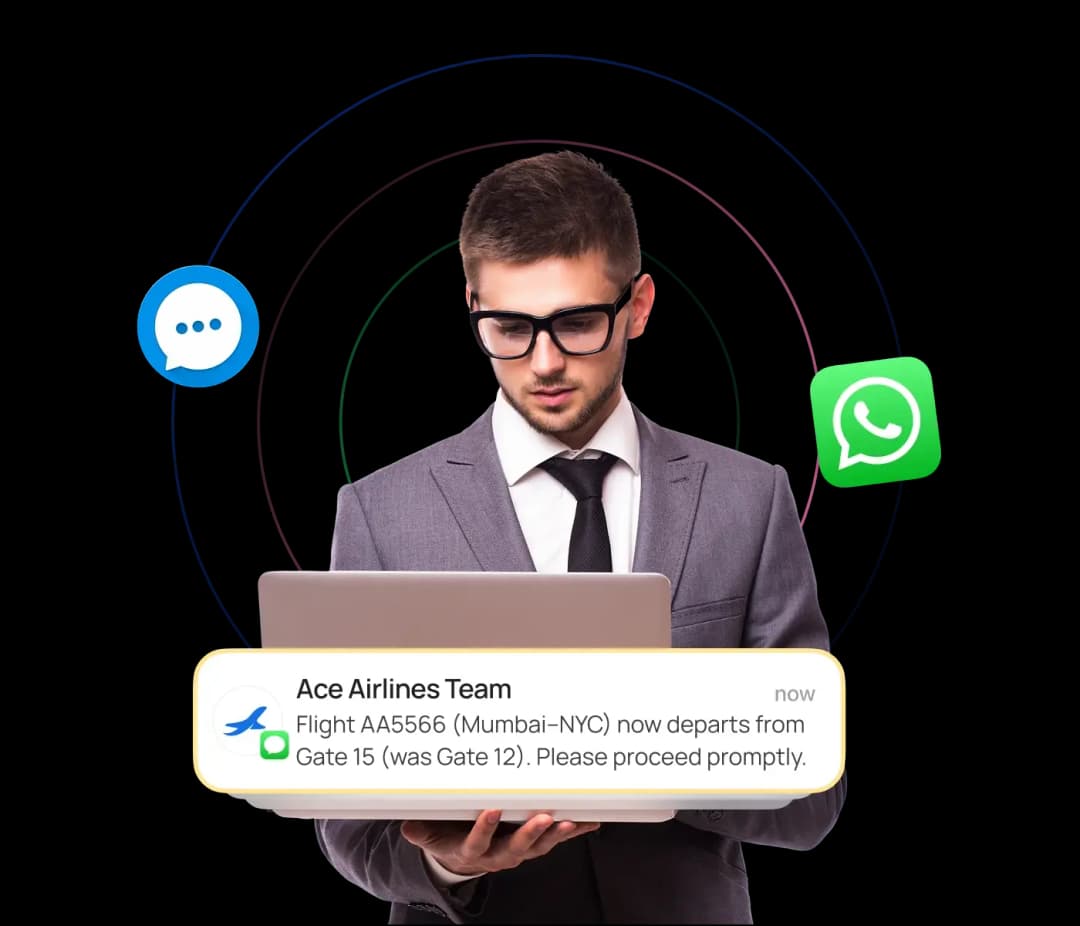
OTPs are time-critical, so plan a fallback: if the SMS is not delivered, offer a WhatsApp or voice OTP. Keep delivery reports so your team can show what was sent and when.
Rules to check
Apply TRAI's rules on registration, consent and promotional hours, and any rules from your own regulator on customer communication. Confirm the details with your compliance team.
Related guides
Want this running for your own business? Explore our Bulk SMS or talk to our team to get started.
Frequently Asked Questions
Is transactional SMS allowed for OTPs from banks?
Yes. OTPs are sent as transactional messages with a registered header and template.
Can banks send promotional SMS?
Yes, to customers who consented and are not blocked by DND, on a promotional header and within permitted hours.
What should an OTP SMS never include?
Full account numbers, passwords or links that ask for card details. Include only the code, the purpose, the expiry and a do-not-share note.
What if the OTP SMS does not arrive?
Offer a resend with a cooldown, then a WhatsApp or voice OTP. Track delivery status to see where messages fail.
Can EMI reminders go on WhatsApp instead?
Yes, for customers who opted in, with SMS as fallback.
Ready to unify your business communication?
Tell us what you want to send and on which channels, and our team will help you get set up on your own branded panel.